RELATED LINKS






 Rome Toolkit
  Paris Toolkit
 Tower of London and Tower Bridge
Prison, Fortress, Royal Palace and home of Crown Jewels
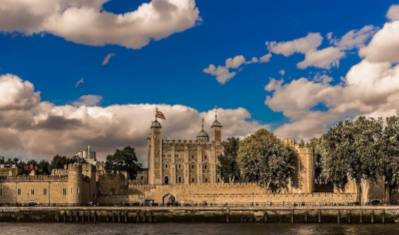
Founded by William the Conqueror in 1066-7 and enlarged and modified by successive sovereigns, today the Tower of London is one of the world's most famous and spectacular fortresses.
In its time it has been a royal palace, a fortress, a prison, an armoury, a treasury and an astronomical observatory.
This page will discuss what you will see at the Tower of London, as well as details on opening times and ticket information. We also discuss ideas for combining your Tower of London day out with other top London attractions, as well as information on Tower Bridge, a popular attraction in its own right and just next door.
For a really special day out we also offer a fantastic, expertly guided historical London day trip: Crown Jewels of London with Tower of London, St Paul's Cathedral & River Cruise.
New in December 2023: save money on Tower of London tickets with a Big City Saver pass - combine with tickets to Madame Tussauds and the London Eye for a fantastic money-saving package to some of London's top attractions.
Tower of London BOOK TICKETS What you'll see at Tower of London Tower of London opening times & location Tower of London ticket information Tower of London with hop-on bus Tower of London with a pass & 2 for 1 Tower of London & St Paul's tour About Tower Bridge Tower Bridge BOOK TICKETS Tower Bridge plus St Paul's & hop-on bus BOOK TICKETS Other royal palaces in London

TOWER OF LONDON TICKETS
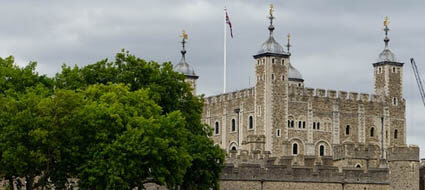
Book online to guarantee entry - Tower of London tickets
• Access the Tower and Crown Jewels display • Yeoman Warder "Beefeater" guided tour and talk • Ideal for families • Vouchers can be scanned at attraction - no need for printing

CROWN JEWELS OF LONDON COACH TOUR
Half Day Coach Tour - Crown Jewels of London tour with River Cruise
• Entrance to The Tower of London • Entrance to St Paul's Cathedral • One-way Thames River Cruise • Services of an Expert Live Guide
TOWER OF LONDON WITH FISH & CHIPS MEAL
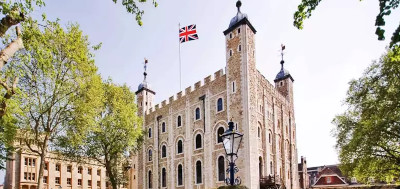
Tower of London with Fish & Chips meal at Poppie's
• Access the Tower and Crown Jewels display • Visit the White Tower and its Royal Armories collection • Bonus access to interactive app to discover London • Meal in Poppie's Fish & Chips
CROWN JEWELS OF LONDON PRIVATE COACH TOUR
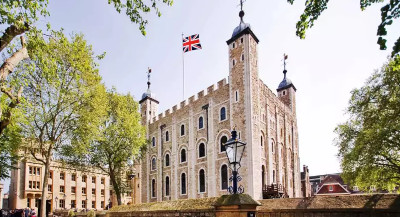
St Paul's Cathedral & Tower of London private tour and driver/guide
Adult from £650pp based on 2 sharing -
£278.50pp based on 6 sharing
• 4.5-hr tour • Option to visit St Paul's Cathedral and the Tower of London • Live commentary throughout your journey in a private luxury vehicle • Pick-up and Drop-off at your Central London Hotel
Tower of London - what you will see
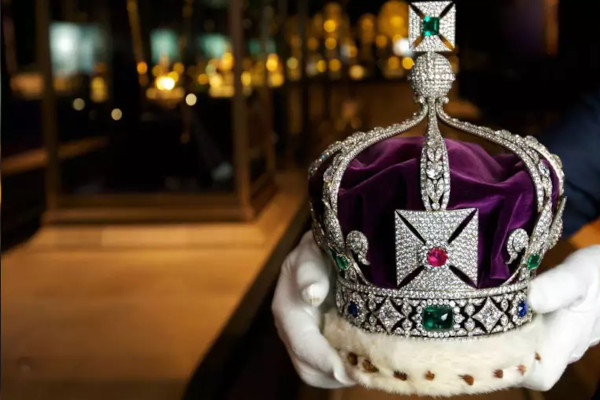
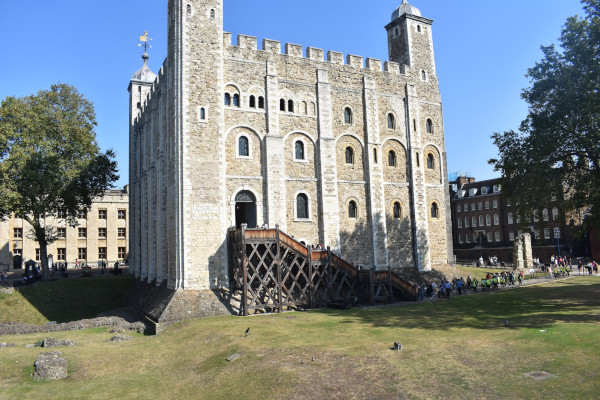
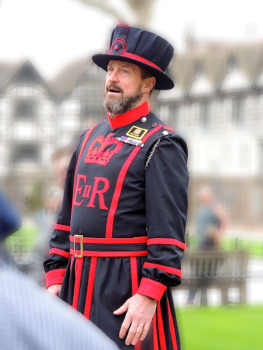
The major draws are the Crown Jewels and the history associated with the Tower's role as a prison for major figures in history, prior to for many a public hanging.
The Crown Jewels and exhibition at the Tower of London
The Tower's greatest attraction, the Crown Jewels, are housed in the White Tower. You will normally have to wait in long lines to view the Jewels so try and get there early. Even if you have a skip the line ticket you will still have to queue here like everyone else.
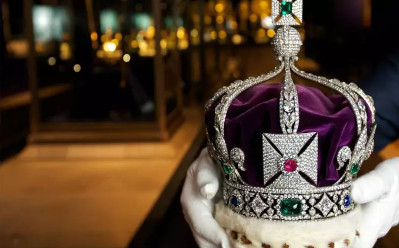
To mark the coronation of King Charles III in 2023, an exhibition based on the Crown Jewels was created. At the Crown Jewels exhibition you will see some of the world's most precious jewels set into swords, robes, and of course crowns. The Imperial State Crown is still used today by monarchs for ceremonial occasions.
Get a close-up view of the crown that King Charles wore on his coronation day in 2023. The Jewel House was transformed for the first time in over a decade, to display even more stories than ever before about the history and significance of the Crown Jewels.
The iconic white Tower
Almost 1,000 years old, and instantly recognisable, the White Tower is probably the most famous castle keep in the world - and consequently has been made a World Heritage Site.
The White Tower was built to strike awe into Londoners, as well as to deter foreign invaders. Inside there is the world’s oldest visitor attraction, The Line of Kings - the magnificent display of tournament armour of a young Henry VIII and the gilded armours of Charles I and James II on horses.
Yeoman Warder - "Beefeater" Tours
The famous 'Beefeaters' in their famous dress uniforms are so distinctive their official role as wardens of the Crown Jewels is often overlooked. Their tours are an attraction in their own right, much fun and enjoyed by everyone who takes one of them.
Some of the stories they reveal may not be suitable for younger ears - tales of intrigue, imprisonment, execution, torture and much more. On a Yeoman Warder's tour you'll hear tales of the prisoners who entered through Traitors' Gate, as well as the famous prisoners executed on Tower Green.
Royal Beasts
The Tower of London was known for many years as a place of exotic and wild animals - creatures fit for Royalty.
In this exhibition you can see sculptures of the lions, baboons, an elephant and more. Discover how they came to be at the Tower and what became of them in a fascinating exhibit in the Brick Tower.
The Tower's Mint
The Tower of London was home to the Royal Mint for over 500 years. Here you can learn about the vast history of the Mint and discover the people and stories behind the Royal Mint at the Tower of London through hands-on displays and installations.
Tower Green with execution scaffolding
Many of the rest of the main attractions are associated with the Tower's history with legendary figures imprisoned and/or executed here. The Tower Green at the heart of the Tower has the scaffolding where some private executions and hangings took place.
Three of them were queens of England: Anne Boleyn and Catherine Howard, wives of Henry VIII, and Lady Jane Grey - condemned on the orders of her cousin Mary I.
Traitor's Gate
The gate exiting out directly to the river is known as 'Traitors' Gate' because of the number of prisoners accused of treason who are supposed to have passed through it.
The Bloody Tower
The Bloody Tower was where some of the Tower's most famous prisoners were housed. It may have been the last lodging of the 'Princes in the Tower' before their mysterious disappearance in the 15th century, and is today furnished to look as it might have done during Sir Walter Raleigh’s 13-year imprisonment here.
Tower Bridge
Next to the Tower of London is Tower Bridge, a great family-friendly attraction in its own right. You can choose to purchase tickets to go inside, or check out our blog on the Best free way to experience Tower Bridge.
Tower of London - opening times and location
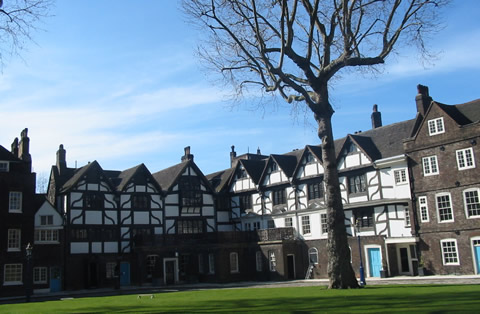
Most visitors spend in the region of 2-3 hours inside the Tower of London.
Tower of London opening times
Open daily, year round.
Mondays and Sundays: 10.00-16.30.
Tuesday - Saturday: 09.00-16.30.
Last admission: 15.30.
Tower of London location
The Tower of London is located in the City Of London, the old walled part of London and now the business district of London. The Tower of London is by the River Thames and it was originally part of the city walls protecting the city from hostiles coming along the river from the sea. Tower Bridge is located next to the Tower of London. Notable mainstream attractions within walking distance are The Monument and The Shard.
Tower of London nearest Underground station
Tower Hill Underground Station (District and Circle Lines) are directly opposite the Tower of London. Tower Hill DLR Station and Fenchurch Street Railway Station are also very close to the Tower of London.
Hop-on, hop-off buses & river services
All of London's hop on, hop off sightseeing buses cross Tower Bridge and stop in front of the Tower of London. Tower Pier is on the river immediately in front of the Tower of London and the river services, especially routes to the London Eye and Westminster are very popular and rewarding. The Hop on Hop Off sightseeing buses include these river routes in their tickets.
Worth knowing about the Tower of London and Tower Bridge
- Tower Bridge in front of the Tower of London is still a working bridge and in the summer months can open up to 5 or 6 six times a day, though openings are erratic and the bridge may not open for several days. You can get the times and days Tower Bridge opens from the Tower Bridge official website. Blog on the best free way to experience Tower Bridge.
- The main queues are not to enter the Tower of London, but to access the Crown Jewels after you gain entry.
Tower of London - tickets

Tickets are priced for adults age 16 - 64 years. Concessions are available for children, full-time students, seniors and people with a disability.
What does your Tower of London ticket include?
Your ticket includes access to the Tower and the Crown Jewels display, Yeoman Warder guided tour, The White Tower, Chapel of St Peter ad Vincula, Battlements, Medieval Palace and Bloody Tower.
In addition you also get access to the following exhibitions: Coins and Kings and Line of Kings, Torture at the Tower exhibition, Fusiliers Museum and Royal Mint exhibition.
Audio guides at Tower of London
Audio guides are available for a fee in English, French, German, Spanish, Italian, Russian, Dutch, Portuguese, Japanese, Korean and Chinese (Mandarin).
Buying tickets from third parties and on the day tickets
Third parties also sell tickets at prices either matched or below the on-line price from the official website (see banner link below).
You can purchase walk-up tickets from on the day from the ticket office on Tower Hill, but pre-booking your tickets in advance is recommended to save yourself queuing time.
Fast track tickets
There are no fast-track tickets for the Tower of London, but purchasing in advance does streamline the whole process, allowing you to download a voucher onto your phone ahead of arrival and simply scanning it at the gate, instead of printing the tickets off.
Ticket timeslots
Your ticket is valid for entry at any time from opening to last admission time, except during school holidays and during events, when half-hourly timeslots apply.
Group ticket savings for 15 or more people
Groups of 15 people or more can save on ticket prices. Walk-up group visits are welcome.
If you do not have a pre-booked timed admission slot, you may have to wait until availability allows for your group to enter.
Combine Tower of London with a hop-on hop-off sightseeing bus ticket
Golden Tours is one of the three main hop-on, hop off sightseeing bus companies in London. A great package is to combine the Tower of London with a hop on bus tour, saving you pounds on purchasing separately. Hop on tours are excellent for your first day in London, quickly getting you up to speed and orientated with the layout of London and your guide pointing out sights and destinations you might have not previously considered visiting.
From your hop-on bus tour see sites such as St Paul’s Cathedral, the London Eye, Westminster Abbey, the Houses of Parliament, as well as, of course, Buckingham Palace, as well as many more iconic London scenes.
With the 24, 48 and 72-hr tickets you also get a Thames River Cruise thrown in for free. Cruise from Westminster to St Katharine’s Pier, and soak in panoramic views of the capital’s most iconic landmarks for a sightseeing experience like no other!
All this on top of entry to the UNESCO World Heritage Site that is the Tower of London.
TOWER OF LONDON WITH HOP-ON HOP-OFF BUS TOUR
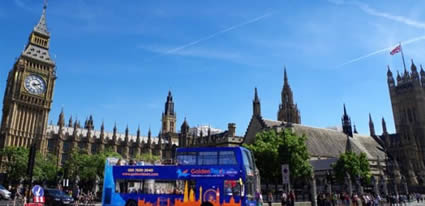
Combine Tower of London tickets with Golden Tours hop-on hop-off sightseeing bus package
• Hop-on Hop-off London Bus Tour • Entrance to The Tower of London • Choice of 1-day, 24-hr, 48-hr or 72-hr tickets • Includes River Boat Cruise • London in your Pocket app acess
The Tower of London with London's attraction passes and 2 for 1
Tower of London 2 for 1 tickets
Railways 2 for 1 Promotion - The railways 2 for 1 entrance promotion is valid at the Tower of London, and you need to pre-book your tickets in advance online.
Tower of London with London attraction passes
Tower of London with Big City Saver Pass
Big City Saver Pass - new in 2023 - you can now get the Tower of London included with a Merlin Big City Saver pass when combined with other top London attractions: the London Eye and Madame Tussauds.
Tower of London with London Pass
The London Pass - The Tower of London is supported by London's most popular attraction pass, (with over 80 top London attractions). Top attractions on the London Pass list include the London Zoo, Westminster Abbey, St, Paul's, View from the Shard and the Tower of London. The London Pass offers incredible savings over buying individual attraction tickets.
Tower of London with Go City London Explorer Pass
Go City London Explorer Pass - this pass is similar to the London Pass only instead of allowing entry for a set number of days, it gives entry for up to 60 days, and you purchase by the number of attractions you wish to visit.
Tower of London with London City Pass
London City Pass - Want to visit Tower of London plus London Eye and have a relaxing Thames River Cruise included? This pass saving you £££'s could be right for you!
To purchase any of these passes follow the banner links below.

BIG CITY SAVER LONDON ATTRACTION PASS 2, 3 OR ALL 5 ATTRACTIONS

HUGE SAVINGS: Buy a 2, 3 or 5 attraction pass for top London attractions
Off-peak prices available
including:
• London Eye • Madame Tussauds London • London Dungeon • Shrek's Adventure! London • SEA LIFE London Aquarium •Tower of London • Big Bus Tour
Adult from £50 for 2 attractions Child (age 2-15) from £45
Adult from £70 for 3 attractions Child (age 2-15) from £63
Adult from £100 for all 5 attractions Child (age 2-15) from £90

LONDON PASS BY GO CITY

The more you visit, the more you save
• Access 80+ London attractions including the Tower of London, London Zoo, Chessington World of Adventures, Thames River Cruise, Tower Bridge, St. Paul's, Westminster Abbey, The View from Shard, Windsor Castle, a hop-on, hop-off bus tour, and many more...
• 1, 2, 3, 4, 5, 6, 7 and 10 day passes available.

GO CITY LONDON PASSES

Save up to 50% on top London attractions
• Choose from two passes: All-Inclusive (unlimited) and Explorer (over 60 days) • Attractions and tours including: Up at The O2, Tower of London, Big Bus hop on, London Zoo, View from the Shard, City Cruises, Westminster Abbey, St Paul's and more...
New London City Pass includes London Eye and Tower of London
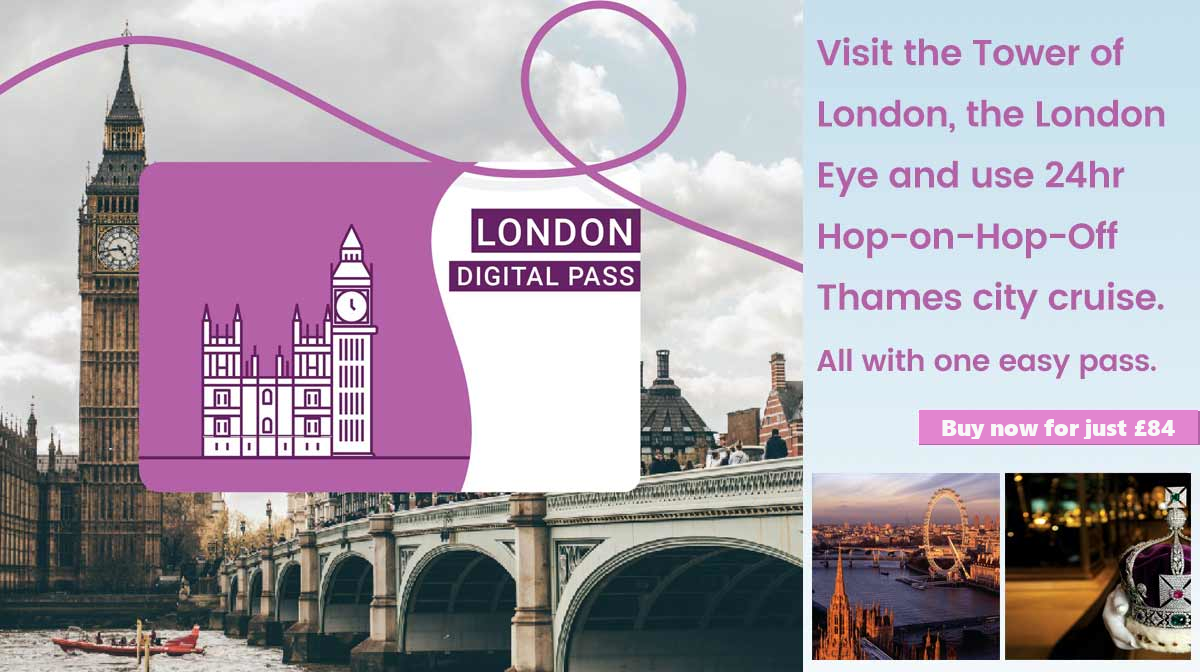
Tour: Tower of London with St Paul's Cathedral, Changing of the Guard & Thames River Cruise
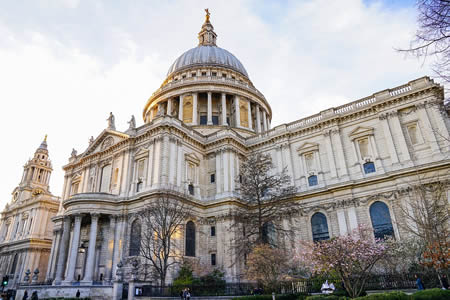
How about combining the Tower of London with St Paul's Cathedral and Changing of the Guard for a Total London day out? This fantastic full-day tour allows you to immerse yourself in the history of London. London's most iconic sights and attractions await you, all to be explored with your expert tour guide and finish your day with a scenic cruise on the River Thames.
- See all of London's most iconic sights in one day
- Changing of the Guard outside Buckingham Palace
- Visit the Tower of London and the Crown Jewels
- Entry to St Paul's Cathedral
- Private Thames River cruise
- Optional extra: London Eye

FULL DAY LONDON GUIDED TOUR
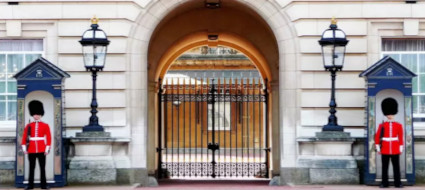
EXCLUSIVE PRICE: With Changing of the Guard, Thames River Cruise and entrances
• Entry into St Paul's Cathedral • Changing of the Guard outside Buckingham Palace • Entry into Tower of London • Private Thames River Cruise
Tower Bridge
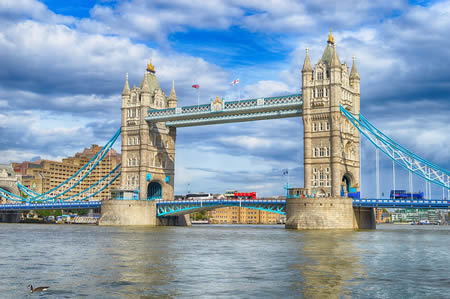
Buy Tower Bridge Exhibition tickets here
Buy Tower Bridge, plus St. Paul's Cathedral and hop-on bus tour London package
Adjacent to the Tower of London is Tower Bridge. If you visit the Tower of London, you will also admire Tower Bridge, one of the most famous bridges in the world. It is famous with good reason, a truly unique and memorable spectacle.
Appearances are deceptive, the appearance of the bridge is in harmony with the Tower of London, but the bridge is not ancient like the Tower of London, it was built only about 120 years ago.
The bridge is not a museum piece it still performs its original function of providing a public road across the River Thames and letting tall ships pass through. As a pedestrian you can walk across the bridge at any time, there are no tolls or fees. All of the popular hop on, hop off sightseeing buses cross Tower Bridge before stopping at the Tower of London.
The bridge still opens to let shipping through, the central part of the highway between the towers of the bridge lifting up.
Tower Bridge only opens when a ship has reserved an opening at a specific time, it doesn't open to a regular schedule. By the nature of this arrangement openings are irregular, it may open 5 or 6 times one day then not open at all for several days. The bridge can open at any time.
Tower Bridge and Exhibition tickets
Discover the history of Tower Bridge
Once you have seen the bridge and realised how different it is to anything else you have witnessed, you may well be eager to learn more. The exciting thing is that you can go inside Tower Bridge to do just that. Not only do you learn everything there is worth knowing about Tower Bridge, its history, how it was built and operates etc you also explore the inside of the bridge.
During your trip to the Bridge, you’ll get to find out all as you wander the walkway and immerse yourself in the interactive displays and unique exhibitions.
There is a new exhibition "Lives of a Landmark" on the West Walkway and in the Engine rooms.
Glass floor
The highlight is undoubtedly the glass floored high level walkways right at the top of the bridge. These were originally designed so pedestrians could cross the bridge even when the bridge was lifting and closed to vehicles. As you can imagine there are great views from up here.
Victorian Engine Rooms
Travel back in time to the Victorian age as you discover the fascinating Victorian Engine Rooms. With original steam engines that raised the bascules of the bridge to explore, you’ll get to ignite your senses with what it was like back in the day.
- Walk the Bridge 42 Metre High Walkway
- Step onto the spectacular glass floor
- Learn the History of Tower Bridge
- Visit the Victorian Engine Rooms
In our blog, you can read in more detail and watch a video on the best free way to experience Tower Bridge.

TOWER BRIDGE & EXHIBITION TICKETS
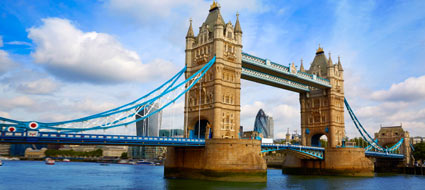
Save money when you buy tickets online
• Experience the spectacular glass floor across the high-level walkways • Marvel at the engineering exhibition • Enjoy panoramic views 42 metres above the River Thames • Meal at Poppies Fish & Chips restaurant.

ST PAUL'S CATHEDRAL & TOWER BRIDGE WITH HOP-ON HOP-OFF BUS TOUR
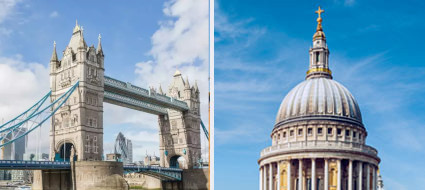
St Paul's Cathedral tickets with Tower Bridge and Golden Tours hop-on hop-off sightseeing bus
• Hop-on Hop-off London Bus Tour • Entrance to St Paul's Cathedral • Entrance to Tower Bridge • Audio guide in 11 languages • London in your Pocket app access
Other royal palaces in and around London
Other royal palaces and castles in and around London include:
Hampton Court Palace Henry VIII's place, and also a top day out for adults and kids alike. Don't forget the fabulous maze, as well as demonstrations, talks, etc. Proper 'Living History.'
Buckingham Palace: has served as the official London residence of Britain's sovereigns since 1837. Today it is the administrative headquarters of the Crown and is the main venue for the Changing of the Guard ceremony.
Kew Palace (with Kew Gardens) Open from March - September, Kew Palace, once the home of George III and Queen Charlotte, requires a valid ticket for Kew Gardens to enter. See the Great Pagoda (which can be climbed with a separate ticket), Queen Charlotte's Cottage and the Palace itself with Royal Kitchens.
Kensington Palace: A rich royal history. Kensington Palace can boast of being the birth place of Queen Victoria and the official London residence of the Duke and Duchess of Cambridge, not to mention being the home of a host of Georgian monarchs and royalty including Princess Diana who have all left their mark on this impressive Palace. Explore the vast state apartments which contain an array of beautiful paintings and sculptures.
Windsor Castle:: Windsor Castle is one of three official residences of Her Majesty Queen Elizabeth II, and has been home to the Sovereign for over 900 years.
The Castle is the largest inhabited castle in the world and the oldest in continuous occupation. The imposing towers and battlements of the Castle loom large from every approach to the town, creating one of the world's most spectacular skylines.
Royal palaces in London - more information
Tower of London, Hampton Court Palace, Kensington Palace, Kew Palace and Windsor Castle - all included with London Pass
The London Pass can save you £££'s on walk-up entry prices for over 80 of London's top attractions.
Included in the pass are the Tower of London, Kensington Palace, Windsor Castle, Kew Palace & Gardens, The King's Gallery, and Hampton Court Palace. In addition other top attractions such as London Zoo, Westminster Abbey, St. Paul's and View from the Shard are included.
LONDON PASS BY GO CITY
The more you visit, the more you save
• Access 80+ London attractions including the Tower of London, London Zoo, Chessington World of Adventures, Thames River Cruise, Tower Bridge, St. Paul's, Westminster Abbey, The View from Shard, Windsor Castle, a hop-on, hop-off bus tour, and many more...
• 1, 2, 3, 4, 5, 6, 7 and 10 day passes available.
POPULAR LONDON ATTRACTIONS - ADVANCE PURCHASE AND/OR FAST TRACK TICKETS
| London Eye | Amazing panoramic flight on the world's highest observation wheel. » Fast track tickets available. |
| The Shard | Tallest building in Western Europe with viewing of London from the top. » Fast track tickets available. |
| St Paul's Cathedral | Cathedral of the Diocese of London, venue for royal weddings. » Pre-book to guarantee entry. |
| Westminster Abbey | Along with St Paul's, England's main religious building.» Pre-book to guarantee entry. |
| Tower of London | Home of the Crown Jewels and a rich thousand year history. » Fast track tickets available. |
| Madame Tussauds | See wax statues of the most famous people in the world. » Fast track tickets available. |
| London Dungeon | The creepiest attraction in town, the London Dungeon. » Fast track tickets available. |
| Hampton Court Palace | Henry VIII Medieval Palace set in vast grounds. » Pre-book to save money. |
| The London Zoo | World class zoo in the centre of London. » Flexi tickets available. |


